

Powering Workflows in Your Inbox, Calendar, and CRM
Adoption of AI often fails not because of the technology, but because of missing context, disconnected workflows, and a lack of trust. As AI models become commoditized, enterprise leaders are shifting their focus from which tools to use to whether AI is actually adopted, and whether it drives real outcomes inside everyday work.
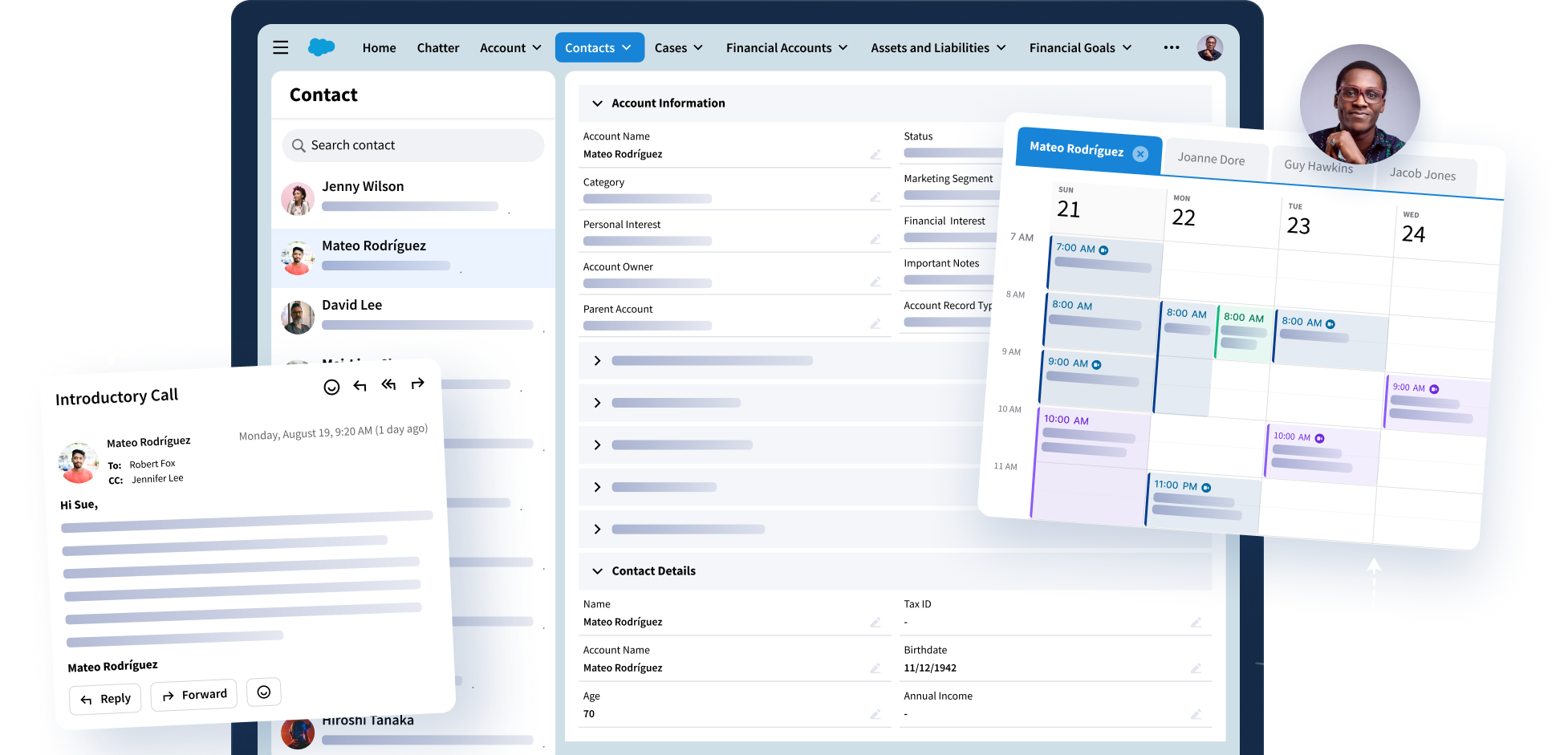
That’s where embedding AI into your flow of work, sometimes called operational AI, comes in; it shows up inside the flow of work (email, calendar, meeting prep, follow-up), runs on trusted customer context, and is measured by real execution outcomes, not standalone demos or disconnected copilots.
The Biggest Barrier to Enterprise AI Adoption Is Trust
When context is incomplete, AI fills in the blanks. When tools live outside the systems people use daily, adoption stays optional. And when governance is unclear, teams avoid using AI in higher-stakes moments.
Gartner predicts that 40% of enterprise applications will be integrated with task-specific AI agents by the end of 2026, but these efforts will only create value when they’re operational, meaning embedded in real workflows, grounded in high-signal context, and governed with clear controls.
That is especially true for organizations shaping an AI CRM strategy or evaluating AI workflow automation initiatives. To deliver value, AI must operate where relationship context already lives and where teams make decisions every day.
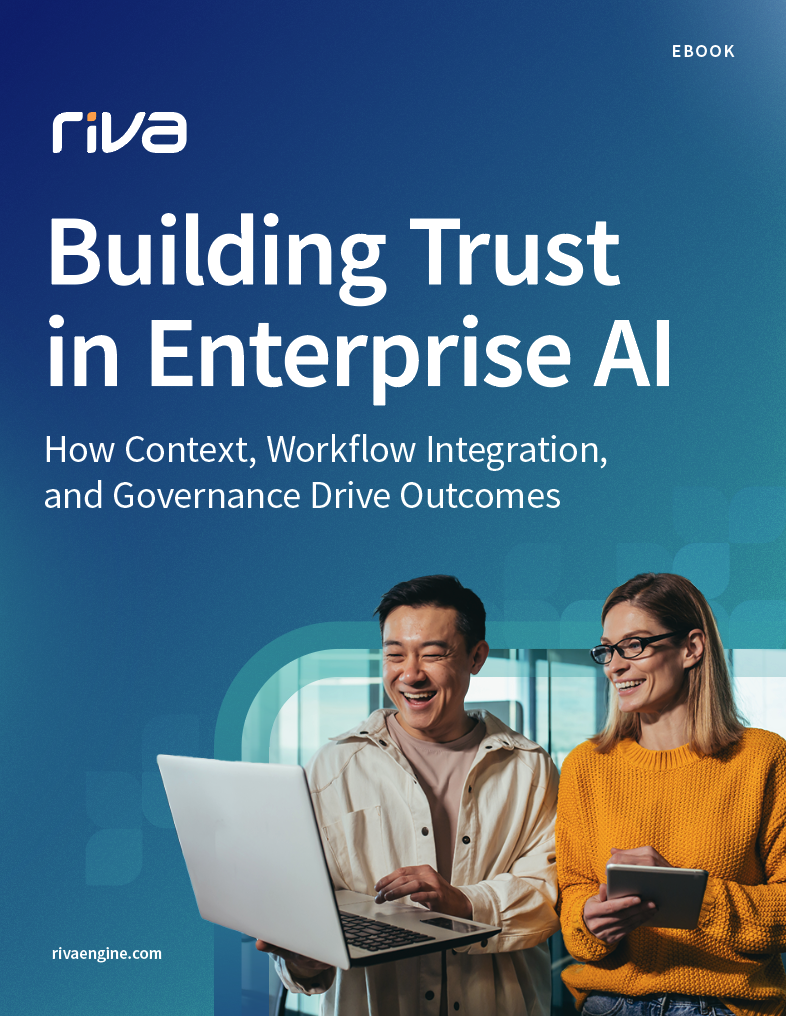
We developed an eBook to help teams move from experimentation to execution. This AI guide outlines the practical capabilities, context foundations, and governance controls needed to make AI usable inside real workflows, not just impressive in demos.
Inside this eBook: A practical framework for moving from assistive outputs to trusted execution
- A flow-of-work AI maturity model to benchmark adoption and trust readiness
- A diagnosis of the trust gap that stalls enterprise AI adoption
- A “context supply chain” approach to strengthen context for AI tools
- A guardrails checklist for operational workflows
Questions? We Have Answers
What does AI in the flow of work mean?
What does AI in the flow of work mean?
AI in the flow of work refers to AI that is embedded directly in the tools people already use, like email, calendar, and CRM, so it can support real tasks as they happen. Instead of generating standalone outputs, it helps teams execute by summarizing activity, recommending next steps, and using trusted, connected context within governed, reviewable workflows. This approach is often referred to as operational AI.
Why does customer context matter for AI adoption?
Why does customer context matter for AI adoption?
Because relevant, reliable outputs depend on reliable inputs. Trusted, CRM-connected interaction context reduces rework, increases confidence, and makes governance enforceable.