

How aligning Education Cloud Shifts with Outlook and Google calendars can help institutions reduce scheduling friction and give advisors a clearer view of their availability.
For higher education teams, advisor availability is central to the student experience. Students need a straightforward way to find the right support, while advisors need enough time to prepare, meet, and follow up. When schedules are accurate, teams can spend more of their attention on students instead of untangling calendars.
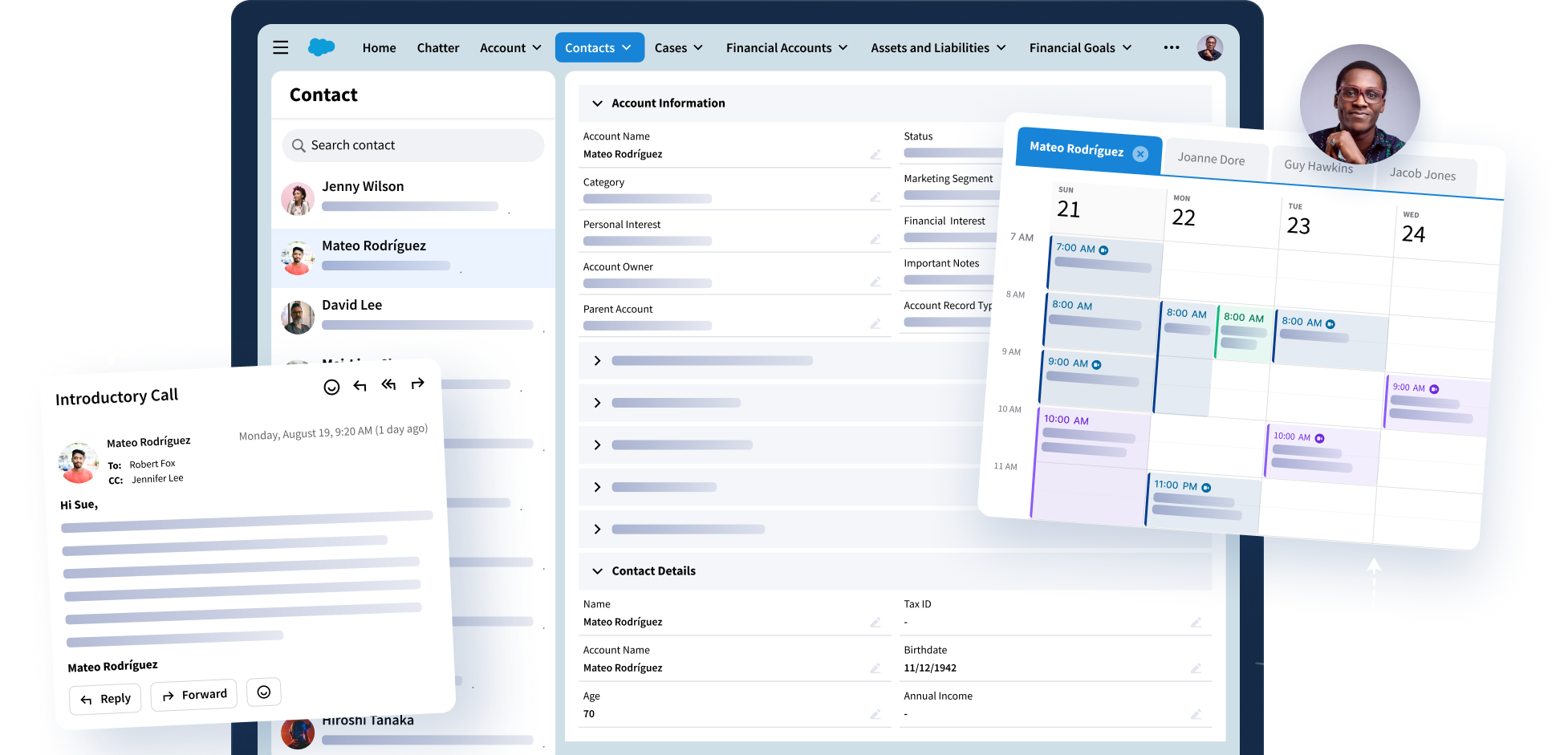
That becomes harder when availability lives in one system and an advisor’s working day lives in another. Salesforce Education Cloud can use Shift records to define when staff are available for appointments. Outlook and Google calendars often hold the meetings, internal commitments, and other events that shape an advisor’s day. If those views are managed separately, advisors and operations teams must reconcile the same schedule in more than one place.
Where Advisor Availability Breaks Down
Higher education teams work through predictable cycles, including enrollment periods, term starts, financial aid deadlines, and registration. Advisor availability often follows a repeatable pattern as well. An academic advisor may hold in-person appointments for first-year students on Mondays and Wednesdays, then offer virtual appointments on Fridays.
Education Cloud Shifts can capture that planned availability. But the calendar an advisor uses throughout the day may also include department meetings, student meetings, training, and personal work blocks. When those schedules do not stay aligned, teams can end up with two views of who is available and when.
The operational effects are familiar:
- Advisors update availability manually in more than one place.
- Teams spend time resolving scheduling conflicts or explaining changes.
- Student-facing teams may act on availability that is incomplete or out of date.
- Reporting on service capacity becomes less reliable when the underlying schedule is inconsistent.
These are not just calendar issues. They affect how consistently an institution can deliver advising, admissions, career services, financial aid, accessibility services, and other student support.
Recurring Availability Needs More Than a One-Time Fix
Recurring schedules make the problem more visible. Many advisor shifts repeat across a week, a term, or a service period. If a recurring Shift exists in Education Cloud but is represented as a one-time event in the advisor’s calendar, the schedule quickly loses its usefulness. The advisor still has to recreate or manage each occurrence, which adds work and increases the chance of gaps.
A durable workflow needs to reflect the full recurring pattern. Advisors should be able to see the availability they are expected to provide alongside the commitments that already fill their day. Operations teams should be able to set a standard that carries across roles and service teams without relying on individual workarounds.
Make Calendar Alignment Part of the Workflow
Riva supports Salesforce Education Cloud Shift objects, including recurring Shifts. Riva can synchronize these records to Outlook and Google calendars, with recurring Shifts represented as recurring calendar items. That gives advisors a more complete view of their planned availability in the calendar where much of their day-to-day work happens.
The benefit is practical: less manual calendar management and a clearer connection between the availability an institution has planned and the schedule an advisor manages. It also helps teams build workflow consistency around the tools employees already use.
As you assess your current workflow, ask:
- Are advisors entering or updating the same availability in more than one system?
- Do recurring Shifts appear as recurring items in the calendar advisors use every day?
- Can operations teams trust that scheduled availability is visible and consistent across service teams?
GUIDE
The Productivity Playbook for Higher Education Teams
Explore a practical framework for reducing context switching, building role-aware workflows, and improving consistency without adding administrative work.
Support the Full Student Scheduling Lifecycle
Calendar alignment is an important foundation, but it is only one part of the scheduling lifecycle. Once advisor availability is established and visible in Exchange, Riva Bookings can help extend the workflow by enabling students to schedule appointments based on available times. This can help teams create a more consistent path from availability planning to appointment scheduling.
The goal is not to add another process for advisors to manage. It is to make the process more dependable by connecting the systems that already support student services.
Give Advisors More Time for Students
Productivity in higher education is not measured only by how many appointments a team can schedule. It is also measured by whether advisors can focus on the conversations and follow-up that help students move forward. When Education Cloud Shifts and advisors’ calendars reflect the same recurring availability, teams can reduce manual effort, limit scheduling friction, and support a more reliable advising experience.
Riva helps institutions make calendar alignment part of the workflow, so advisors can spend less time managing schedules and more time supporting students.
Ready to reduce scheduling friction across Education Cloud and Calendars?
Book a demo to see how Riva can support reliable advisor availability.