

Long-Term Customer Retention: Data Is the Key
From an ROI standpoint, there’s no contest: dollar-for-dollar, the resources your enterprise directs toward customer retention yield significantly more impact than those dedicated to new customer acquisition. And while customer acquisition efforts are vitally important to enterprise growth, the upside of nurturing and growing existing clients is critical to your short- and long-term business success.
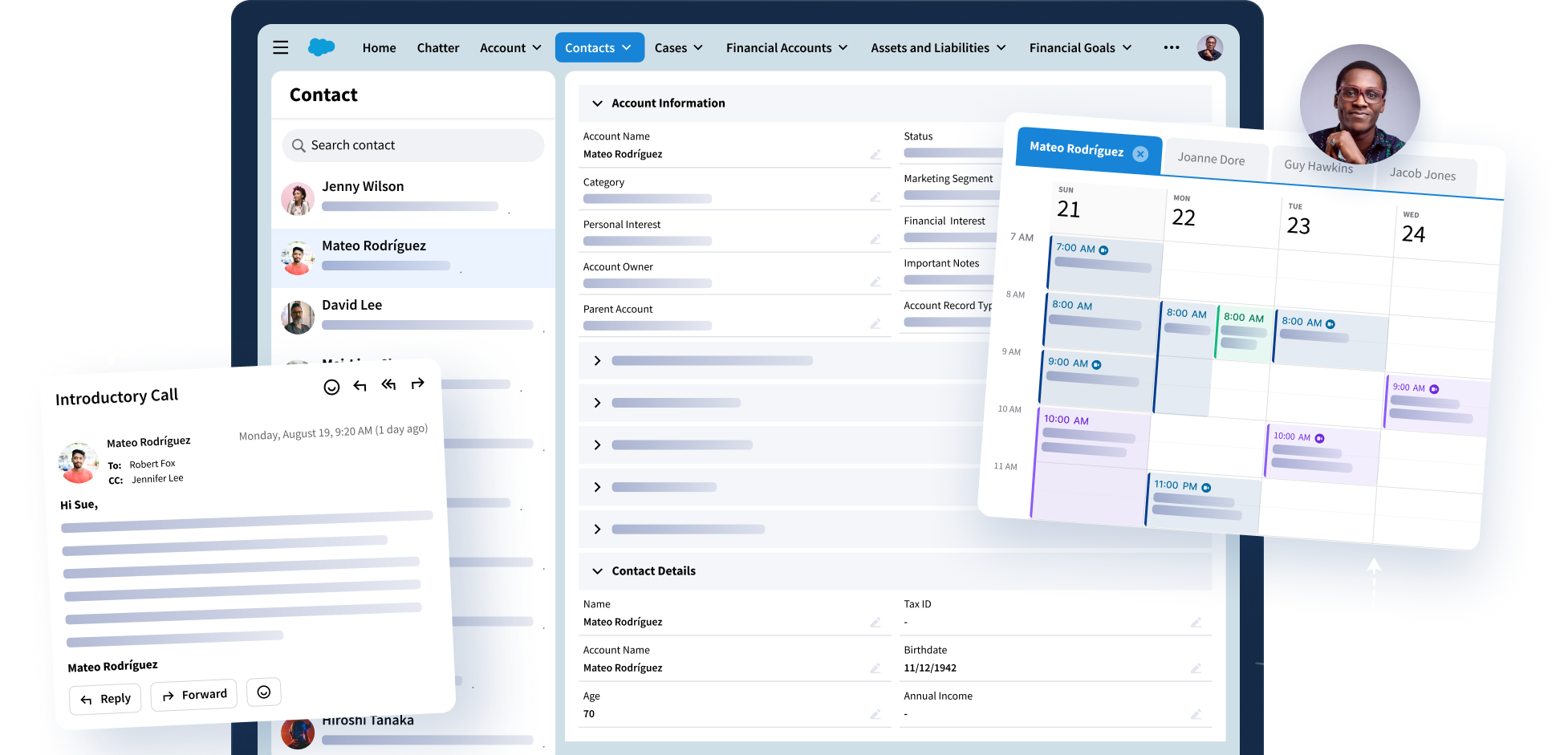
If you’re part of—or in charge of—an IT team tasked with finding, implementing, and integrating solutions that enhance the customer-centric goals of your enterprise, few technology investments offer more impact than a proven revenue data ops solution. These powerful technologies connect customer data collected, and typically siloed, in revenue and communications stacks—including CRM, email, and calendar platforms. They then leverage that data to provide just-in-time access to relevant customer and deal data at just the right moment in their journey–helping to nurture customer confidence and sustain long-term relationships.
Whether interacting directly with customers, developing new products and solutions, or overseeing and improving data use, the right data operations solution puts current customers front and center for every enterprise stakeholder—and makes it easier to create longer stronger relationships. Here’s how:
5 Main Reasons Why Customer Retention Leads to More Revenue
1. Existing customers are predisposed to additional purchases
When your enterprise establishes a relationship with a customer, you’ve overcome the greatest hurdle to future sales. As time goes on and interactions continue, the ever-evolving customer history will provide new insights that help to deepen the relationship—and offer new opportunities to grow customer lifetime value. This is particularly true in highly regulated industries like finance and insurance. Once you’ve used the data you collect to demonstrate your familiarity with the nuances of a customer’s business, you’re a natural go-to because:
- Advisors and agents demonstrate a comprehensive understanding of customer needs and histories at every interaction.
- Gain confidence that their information will remain safe from breach or misuse and that they won’t run the risk of compliance sanctions.
“Existing customers are 50% more likely to try new products and spend 31% more, on average, compared to new customers.” – Patricia Rioux, The Value of Investing in Existing Customers, Forbes, January 29, 2020
2. Deeper customer knowledge can identify—and secure—clients at risk
In the insurance industry, customers who purchase only one product or service are referred to as “clients at risk.” In effect, that distinction means they’re a lot like retail commodity shoppers who are more inclined to make purchasing decisions on price vs. value. Riva’s revenue data ops capabilities allow customer-facing stakeholders to better understand those customers’ needs and objectives.
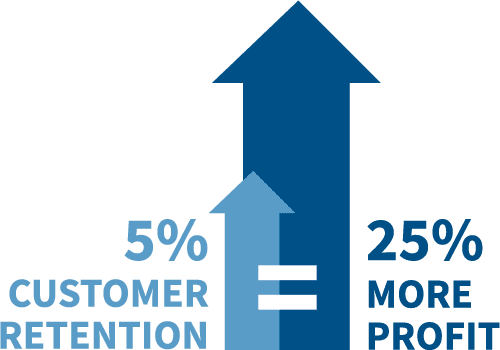
“A 5% increase in customer retention correlates with at least a 25% increase in profit.” – Fred Reichheld, Prescription for Cutting Costs, Bain & Company
3. Satisfied customers become brand ambassadors
Depending on a given customer’s experience, word of mouth can work for and against your brand. Fortunately, good news travels fast. The goodwill generated by strong customer relationships has the potential to carry well beyond the customers you already know, creating new revenue opportunities—and the potential for new business relationships and new long-term revenue opportunities.
“77% of customers would recommend a brand to a friend after a single positive experience.” – Patricia Rioux, The Value of Investing in Existing Customers, Forbes, January 29, 2020
4. Strong relationships lead to deeper enterprise penetration
As the tenure of any customer relationship grows, opportunities to demonstrate the value of your product or service—and to become part of the fabric of your clients’ success—grow too. In effect, there’s less resistance to working with vendors that have demonstrated the ability to address needs, solve problems, and do so promptly, efficiently, and reliably. Once you’ve crossed the threshold from unknown to proven, you’re in a better position to build and broaden relationships throughout your established customer’s enterprise.
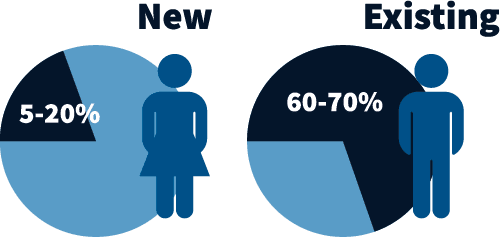
“The probability of selling to an existing customer is 60–70%. The probability of selling to a new prospect is 5–20%.” – Neil Bende, Paul Ferris, et al., Marketing Metrics (Fourth Edition), 2020
5. Sustained customer relationships enhance the enterprise’s ability to anticipate customer needs
Data integration solutions like Riva are selling enterprises with vast predictive potential, making it easier to play a proactive role with customers and prospects. When you anticipate what’s coming, you can promote and sell solutions before customers even realize they need them—cementing your role as a partner, not just a vendor. To achieve this predictive potential, Riva helps your stakeholders to:
- Analyze customer-specific data to understand pain points, initiatives, and goals
- Leverage broader data sets to understand trends within the customer’s industry—and apply that knowledge to their particular situation
Summing up
Strong, lasting customer relationships mean commitment. They require hard work, diligence, and dedicated attention to grow, thrive, and yield sustainable returns on the investment of time and resources. They also require good data stewardship and an understanding of how to leverage data on the customer’s behalf as the relationship matures.
But when compared to customer acquisition, there’s no contest: the ROI for keeping existing customers—including the cost of smart, secure data integration—justifies every ounce of the commitment it requires.
Riva team would be happy to help you better leverage your client data and increase customer lifetime value. Contact us today to learn more about Riva.